

Strategic Cooperation of Central Asian States: Regional Integration, Economic Growth and Investment Potential
Introduction
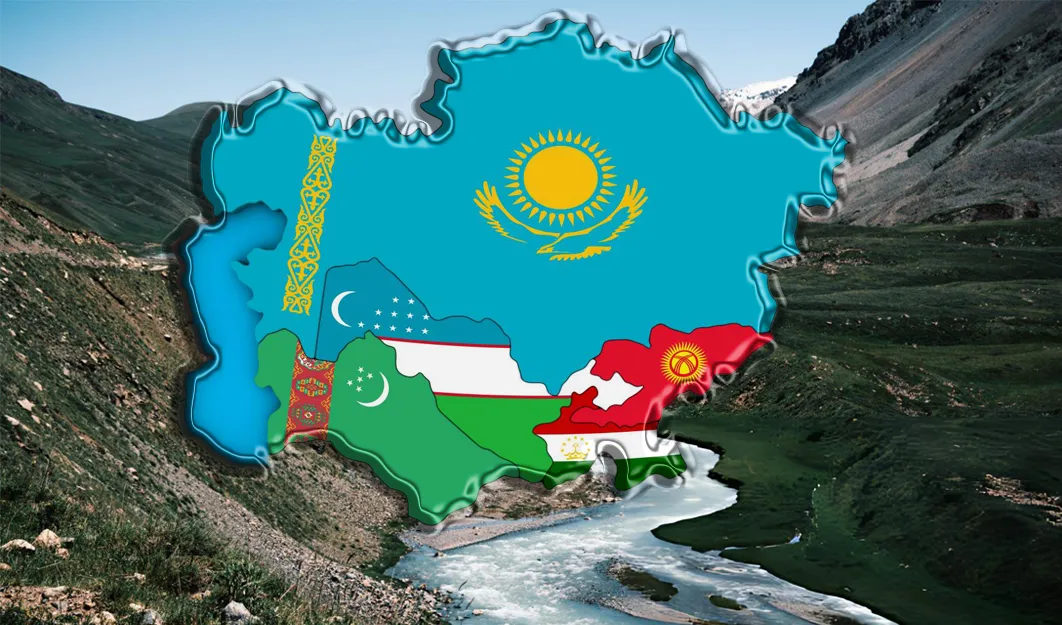
In recent years, under Uzbekistan’s leadership, strategic cooperation and regional solidarity among Central Asian states have entered a new phase. These developments strengthen political stability, economic cohesion, and platforms for joint development, transforming the region into a major investment hub.
Today, cooperation between Kazakhstan, Uzbekistan, Kyrgyzstan, Tajikistan, and Turkmenistan is expanding rapidly.
1. Regional Investment Overview
According to 2023–2024 data:
Intra-regional investment exceeded USD 1.1 billion.
87% of investments are made by Kazakhstan, 13% by Uzbekistan.
The main recipient is Kyrgyzstan (63%).
Tajikistan receives around 2%.
This demonstrates growing economic integration and mutual confidence.
2. Industrial Cooperation
About 25% of investments target industrial production.
Key projects:
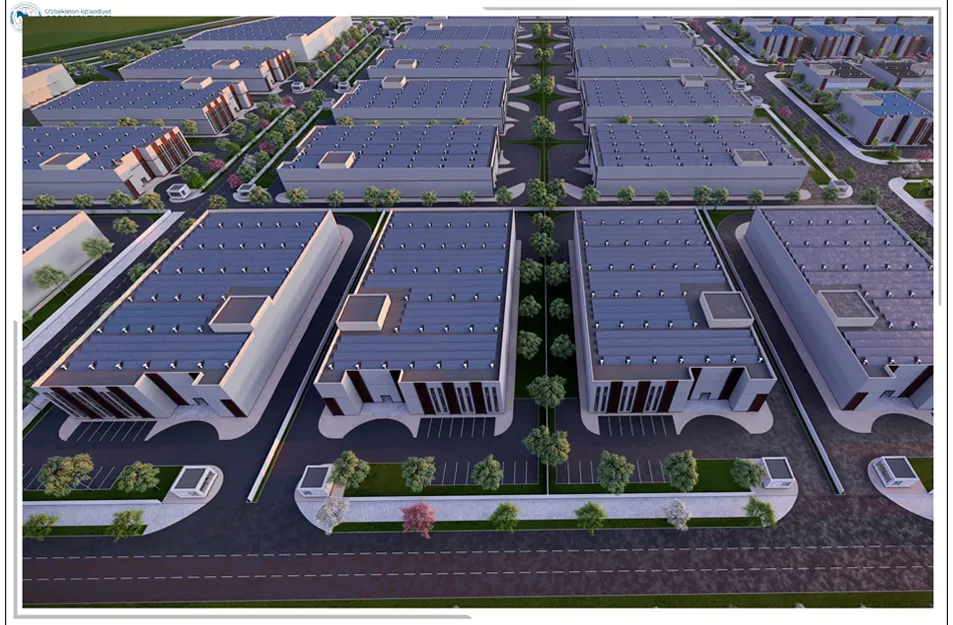
Metallurgical plant in Kazakhstan — USD 121.3 million
Aluminum and metal coating plant — USD 60 million
Home appliances production — USD 54.2 million
Automotive production with SaryarkaAvtoProm — USD 50 million
Tulpar Motors plant in Kyrgyzstan — USD 50 million
3. Energy Sector
Major energy cooperation projects include:
Zarafshan hydropower plant (Uzbekistan–Tajikistan): USD 552 million, 275 MW
Small hydropower plants with Kyrgyzstan
Solar plant in Kazakhstan — USD 35 million
Kambar-Ata-1 hydropower plant — USD 4.5 billion
EBRD financing up to USD 1.5 billion
These projects enhance regional energy security and green transition.
4. Transport and Logistics
OECD estimates Central Asia’s infrastructure investment needs at USD 492 billion (2016–2030).
Key projects:
Logistics center near Tashkent — USD 70 → 230 million
Uzbekistan’s transport infrastructure plan — USD 8.3 billion
5. Urban Development and Tourism
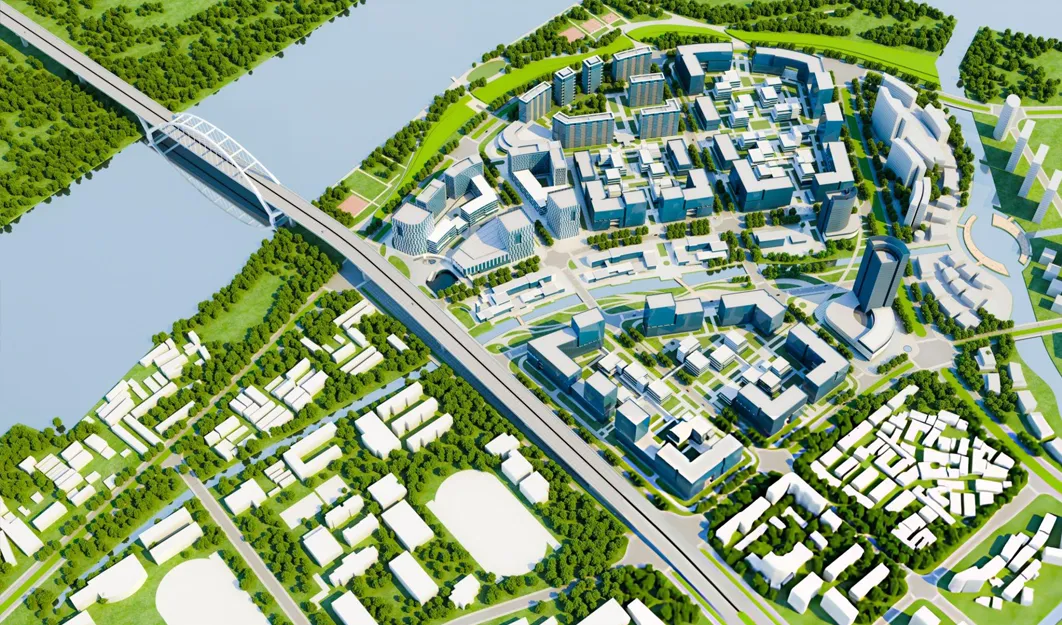
Smart city projects in Tashkent, Astana, Almaty, Samarkand, Bukhara
Tourism clusters and ecological routes
Investment demand by 2030: USD 20–25 billion
Conclusion
Regional integration is becoming the main driving force behind Central Asia’s economic transformation. Joint mega-projects in industry, energy, logistics and tourism are positioning the region as one of the world’s fastest-growing geo-economic centers over the next decade.